
Episode Guest -Vanessa May
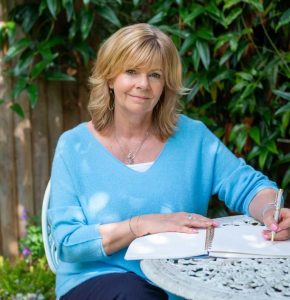
Vanessa May is an author, holistic grief coach and certified grief educator. She is also a nutritional therapist, wellbeing coach and spiritual life coach.
Vanessa’s experience of grief and trauma after the loss of her son and husband means she is able to guide others who are going through a similar experience with heartfelt compassion, as well as being in a position to provide professional advice and support.
Vanessa is the author of:
‘Love Untethered: How to Live When Your Child Dies’

‘When Grief Takes Everything: A Survival Guide to Devastating Loss’.
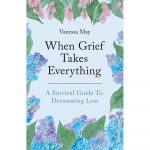
Both are available from Amazon and The Compassionate Friends bookshop and library.
Summary:
“I hope that my books might help others who have suffered devastating loss and that they will be able to relate to my story and find some of the advice offered to be of benefit. I hope too that my books help to raise awareness about the true nature of deep grief so that those who are grieving are always given the compassion and understanding they need.”
Vanessa
Resources:
Holistic Grief Support: https://wellbeingandnutrition.co.uk
Author Website: http://www.vanessamay.co.uk
Instagram: may.wellbeing.griefsupport
Follow us on:
Episode 24 Transcript:
National Bereaved Parents Day 2026 – A Child Of Mine
[1:08] So today we are absolutely delighted to have the opportunity of talking with Gayle Routledge, founder and CEO of The Child of Mine, and who founded and set up National Bereaved Parents Day in 2020 on the 3rd of July. It is a day to honour bereaved parents from any circumstances. So welcome, Gayle.
[1:31] Thank you, Tracy. Thanks so much for having me. You know, it’s an absolute honour to be here and especially today on the 3rd of July. So it’s really special.
[1:39] Thank you very much for doing this and for allowing us to go out on National Bereaved Parents Day as well. It’s an absolute honour to have you on today. Thank you. I just wondered if you might like to share your story of Lewis and how a child of mine came about.
[1:56] Yeah. So I had a very beautiful little healthy little boy in September 2007. He met all his milestones. He was so good. He slept through. He was just a joy. He really was. But we came back from a family holiday in May time. He was eight months old. And a couple of weeks after we came home from a holiday, he started to present with a swollen eye. So we took him to the doctors, came home with a big bottle of Puritan because they thought it could be hay fever. It didn’t really do anything. And we took him back again and they thought he’d got an eye infection. And we had some drops, which trying to give an eight-month-old eye drops was crazy. And then on the Maybank holiday, Monday, he woke up with a raging temperature. So we took him to our out-of-hours doctor who sent us straight to a local hospital in Wolverhampton that has an eye infirmary.
[2:52] And we spent a week in that hospital. They couldn’t get his temperature down. And it wasn’t until, I think we’d been there the week, and on Friday, an ENT doctor came down and took one look at him and he said, he’s not sitting right. Something’s not right. I think we need to scan him. So they did a CT scan and they found a huge sort of mass, I suppose, across his face. And they didn’t know what it was. They didn’t know if it was inflammation, if it was infection or if it was a tumour. So we were sent straight down to Birmingham Children’s Hospital and we were met by the oncology team there. We were told that they suspected Lewis had got quite a rare childhood cancer called neuroblastoma. Only about 100 children a year are diagnosed with it. And because of his age, because he was only eight months old, they were quite positive that he may have a lesser stage that can actually, it doesn’t need any treatment. But after all, the, biopsies and all the tests they confirmed that he’d got stage four but he also had a gene a my ken gene it was called that made the tumor even more aggressive um, but you know as a family we were quite positive you know we, i think with oncology you have to be positive that there’s, you know the miracle cure that’s going to be around the corner and you know that my little boy is going to be the one that sort of rewrites the textbooks so we went with it and and he he He started his protocol and he responded so well to it.
[4:31] You know, and hospital life became the norm. We had a daughter that was five at the time, so trying to juggle school for her. She just started school and hospitals and I gave up work, you know, because the treatment was quite intense. But he went through it. You know, we spent a lot of time in hospital, but we had some fun times.
[4:52] He learned very well how to ride the drip trolley around the ward. And we did have some good times and the treatment went well as I say and about a year to the day that he was initially diagnosed we were showing his consultant photograph, of Lewis and she picked up that he seemed to have a palsy on the one side of his face when he was smiling his one eye wasn’t moving, so we went back for some more tests and some more scans and they confirmed sadly that He’d relapsed. And I think that as a family hit us harder because we knew there was no protocol for relapsed neuroblastoma. Although he had some options because he’d responded so well initially. But I think that really did hit us hard. We were even offered to take him home that day and just stop treatment, which was hard, but we didn’t. I think back in hindsight, that was for us really, not for his best interests. That was for us but you don’t you never want to give up on your child and.
[5:57] You do what you can. So we did. We went through the treatment. But sadly, they didn’t really clear the disease as much as we would have hoped. We did go down to London for a few weeks for some radiation treatment and they restaged him while we were there and they found that it was in his brain. And I think the moment that we realized that he wasn’t going to make it. And we came home and we didn’t really tell a lot of people apart from close family because I didn’t want anybody’s sympathy, really. He went into hospital about 10 days before he died with a bleed, an internal bleed, which they couldn’t really stop. They did in the end. He ended up on a ventilator and the cancer had just taken over his poor little body. And, you know, he was nearly three when he died. But he was bloated with steroids and everything. Think you know he he died from multiple sort of organ failure but if this sounds awful but at the end you know he’d been going through this journey for, two years it was a relief to see him out of pain and suffering and not to have, any more doctors coming and telling us bad news yeah it was always bad news um.
[7:11] So it was a relief and it was a very special day the day that he died in the fact that there was a little boy in the room next to us in intensive care who also had neuroblastoma and who also died the same day. So we were there together for each other and.
[7:30] That support to us was just so valuable. All the families that we were in hospital with over those two years and I think, during that time there was probably 10 to 12 children that sadly died from their battles. So we did have a massive support around us from the families that were also going through their oncology journey with their children.
[7:55] And after Lewis had died, it was sort of hit me really me and my husband were talking in the kitchen one morning and, you know we were acknowledging this lovely support network that we had around us from the families that we have walked that journey with but what about those families, that didn’t have that and you know what if they’d lost a child suddenly where would they know where to go to get help and support and and just somebody to talk to that knew how they felt. So, yeah.
[8:27] I was in sales before Lewis died. And I think, as you well know, Tracy, you know, losing a child, it changes you on so many levels, doesn’t it? It changes completely. It changes everything. Yeah, your tolerances, your priorities in life. And I didn’t want to go back to doing a sales role because I don’t think I would have coped. So I set off to build a website. And that was really how it started. And I wanted this website to be a one-stop shop that people could come they could find practical information they could find, you know support groups and charities and organizations across the country this wasn’t just for our local area.
[9:11] So I started talking to people I started phoning people I spoke to many many councils across the country and sort of said who would due signpost if you were you know had a family in this situation so we started building up a lot of information and you know all the practical things if a child had died abroad you know all the repatriation about what happens how they bring them home all of those things really and the poems and the nice things and, all that and we started to collate it and we needed a name, and I didn’t want this to be about Lewis. This is not about him. This is because of him. I didn’t want it to have his name because this is about everybody else’s children. I was sitting there one day and I wanted just a punchy name. I looked at Lewis’s photo on the windowsill and I said, Lewis, I need a name. And I’d gone back onto the laptop and back onto Google and up came the poem, A Child of Mine.
[10:13] And I thought, that’s perfect. That’s absolutely perfect. It’s about everybody else’s children. It’s a child of mine. And I felt that resonated really well. And what I had forgotten as well is that poem was actually read at his funeral, which I totally forgot. So we had a name and we had the website and we were putting it together. And I had some funding from one of the charities that worked at Birmingham Children’s Hospital. They gave us some money so we could get some leaflets made for the website. And we went to the memorial day at the Birmingham Children’s Hospital the year after Lewis died and we went armed with our leaflets that we’d have printed for the charity we’d had a friend of my brother’s had done the logo for us the actual wording a child of mine on our logo is my daughter’s handwriting when she was set so it’s a nice little fact that not a lot of people know but it’s yes the actual a child of mine but is her writing, um and we we went back to the children’s hospital and we presented the leaflets and told them a little bit about what we’d done to their chief exec and she introduced us all to the bereavement team which we knew some of them anyway and also the chaplaincy um.
[11:33] And that was it really and then i started asked been asked to do some talks about my journey and about the website and it just sort of snowballed and we thought you know what if it is a charity we could do so much more um, to help and to help families that are going through the, the most profound loss that I think anybody can go through yeah so we went for it and I did a lot of research because it was it was a lot of work and there was a few times that I had to stand back to it because it was just getting too overwhelming and you just needed to make sure the wording was right and our mission and what we wanted to do, anyway we went for it and three weeks later we got our charity number and we were we celebrated 13 years last last month so yeah, it’s been a journey but you know what it’s not about Lewis I keep his memory alive in many other ways but he gives me the strength and he gives me that inspiration you know as I’m sure you know so well as well you know to keep you strong yeah no.
[12:32] Absolutely and you still have that special connection like you mentioned that you realized that you’d had the poem at Lewis’s funeral I must read that yeah I don’t know if I’ve read that poem it’s just sometimes you especially in the early days in the early months in the early years I remember reading things but everything’s a blur sometimes you know it’s what goes in
[12:50] It’s very true, it’s quite difficult . It’s very true but the poem’s beautiful it’s by Edgar Guest and I do read it a lot actually at different events that we do and memorial services and things so yeah it’s a special poem, But it gave us our name.
[13:07] And it is a lovely inclusive name as well. Like you say, it’s short and simple, but it’s very inclusive in a child of mine. There’s no more to say than that, is there really?
[13:17] And that’s what we wanted. It’s absolutely what we wanted. This is about everybody’s children.
[13:24] Thank you so much for sharing your story and Lewis.
[13:26] That’s so much that you had to go through in such a short time. I know. It was. It’s horrific, isn’t it? And there are so many. I met all the parents as well. It’s so hard as well when they’re so little and not you know and then these things these
[13:39] Situations but they’re so resilient they are so resilient you know and we were very naive we walked into the hospital and saw those these little bald-headed kids and, i was very naive you know children get cancer too you know we were thrown into this world, you know and our journey was you know it was a couple of years in and out of hospital which is not a long time for some and you know is a long time for others
[14:04] but you sort of adapt don’t you and you just go through that moment now you have.
[14:08] No choice and you want obviously once you’ll do everything you can for your child as well to try keep them with you and and that they’ll get better so you know it’s an incredibly incredibly difficult journey but thank you so much for sharing that and for sharing how a child and mine started as well
[14:28] Yeah charity was funny because the website was one thing and I thought if it was a charity it’d be too much like hard work but here we are 13 years later.
[14:39] And full time in your charity as well it’s
[14:41] A learning curve but it’s it’s great we love it yeah.
[14:45] And I think you started to talk about the charity and sort of how it started, but I wonder if you would talk about where you’re based and sort of what you provide in terms of your reach and in terms of support for parents and families.
[15:00] So we’re based in a town called Stafford, which is in Staffordshire, and we cover Staffordshire, but also the Midlands as well. But I think with online resources that we have now, like Zoom and Teams, we can expand that reach. So we have families from all over the country that we have supported in the past. And, you know, whether that’s email support, telephone support or virtual support, you know, they don’t have to be local for us to be able to help. The support we offer is very informal and very relaxed, very gentle. We offer a safe place, really, for parents to come and just be, just be present. It’s very much peer support. I’m not a qualified counsellor. I do have qualification, but I didn’t really want to go down the counsellor route, really.
[15:58] And yeah, it’s just very informal and we just give them a space. But a space that there’s no time limit and I think that’s our uniqueness in the fact that we’ve got families that have been with us for many years and you know sometimes a family will, something happens within their life and it’s a trigger and it’s just Gayle can we have a chat you know and it’s and we’re there that door’s always open for when they need it, so we offer one-to-one support we have a family room here in our offices at Stafford, but we also do home visits sort of locally, or we can meet somebody a mutual place you know that’s suitable for them.
[16:38] And we also do circumstantial groups as well so you know, putting every bereaved parent in a room together doesn’t wouldn’t yes so yeah so we have specific groups for say miscarriage early early pregnancy loss baby loss child loss I work very closely with our local child death nurse specialists which is an awful title, but they they work with families when a child’s died suddenly so, we actually run groups for child loss and a lot of those families that we have through are sudden deaths, and we also run an adult child loss group because losing an adult child is still incredibly valid and it’s still their little boy or girl regardless of their age, and more recently actually in Birmingham at Birmingham Children’s Hospital we have set up grandparents group as well and I feel that, grandparents don’t feel that they are valid to receive support because it is all about the parents but I think for them it’s it’s a double loss really isn’t it and so yes, we’ve set up a lovely group within Birmingham and that’s going very well and we’ve got a men’s group as well which is a bit more informal they don’t sort of sit around a table and sort of chat but we send them out and to do things so they’ll go for a meal, or they’ll go bowling and things like that and that’s turning into a really lovely group as well and it’s a nice mix of dads from different backgrounds so yeah um.
[18:07] And you mentioned the family room before. Do you support siblings as well? Do you like that as well as the mums and dads?
[18:14] We run two sibling groups. One is for younger children, probably up to about the age of 10. And we have an entertainer each time, have food and music. And while the children are playing, you find that the parents are talking. There’s been some really nice friendships that have grown from that group. And the kids love it. And we do a group for older children. Not a support group as such, but a safe place for the teenagers to come and be. We craft, we play games. And actually, most of the time, we don’t actually talk about their loss, but they all come and they all sit. They bring their parents and we craft together and we have a laugh. And again, as I say, it’s just a safe place for them to come and be. And the core group of kids that we get coming, I mean, they’re all learning to drive now. And, you know, they’re taking their exams and they’ve been with us for so many years. But we are getting new families coming through the door as well. And it’s just something different. You know, it’s not therapy. It’s just something a little bit different. And it works. Yeah, I think that is lovely.
[19:19] I think the power of peer-to-peer, especially in terms of bereavement and for me personally, in terms of losing my child. Of everything that I’ve tried and I’ve tried quite a lot of things over the last four years and I have had therapy as well myself. I would say peer-to-peer is what’s got me through and peer-to-peer is what’s helped me help me live my life and help me to find ways of living my life finding people that are further on in your journey and in a way, inspiring you to understand that actually you can survive this. And not only can you survive it, you can find a way of living your life through it as well.
[19:54] And just to see, you know, parents’ faces when somebody else says, yeah, I felt like that. Oh, that’s what I did. And that’s how I felt. And you can almost see that weight lifting off their shoulders just to have that reassurance.
[20:09] It’s sort of normalizing.
[20:11] I think that’s so important.
[20:11] Isn’t it? That’s, you know, what they’re going through.
[20:13] Exactly. Yeah. And that’s what we do a lot of. We do normalize it. You know, mostly what you’re feeling is absolutely normal for what you’ve been through. But we also try to give hope as well. There’s, I know it’s the most profound loss that anybody can go through, but I think there always has to be hope. Yes. You know, there’s a life after loss. It’s just a very different one.
[20:34] Yes. Yeah, absolutely. But it sounds like you’ve got an amazing charity, Gayle, and 13 years as well. And it’s probably evolved and grown as well in those 13 years and touched a lot of families and parents and grandparents during that time
[20:51] As well yeah i’d like to hope so yeah we love what we do we really do it’s very special something you know we don’t like to talk about death do we know especially when it’s out of a child yes, Yeah, we like to shout about it because it happens.
[21:07] And I just wondered if we could go on to you talking about how we started National Bereaved Parents Day in 2020, how that came about and what it means to you as well, personally.
[21:19] So it was quite interesting, me and the lady that worked for me at the time, we sort of had a, sort of.
[21:27] What’s the word I’m looking for?
[21:28] We just got down and wanted to brainstorm some ideas and it was a light bulb moment. And we sort of said, do you know what? It was lockdown as well. So we were in the middle of a pandemic and everybody was sort of isolated. And we were laughing because it was like, there’s National Asparagus Day. Oh, gosh. Well, there’s National Asparagus Day. So why don’t we have a National Bereaved Parents Day? And it’s a day to unite every bereaved parent from every walk of life. And, you know, you get Bereaved Mother’s Days. You’ve got certain different days but we wanted to just unite everybody that had lost whether it was early pregnancy right up to adult children, and just a day to bring everybody together you know that was really important to us and to acknowledge and I think acknowledgement, is vital isn’t it and I think when you’ve lost your child and I think your biggest fear is that everybody else will forget them and we wanted a day that would remember I mean it shouldn’t be just a day should it really? It should be every day. But we wanted to do something to acknowledge everybody and put a date in the calendar so that we could all come together, But the date that we picked, the 3rd of July, is the day that I became a bereaved parent. So it’s very personal to me in that respect. It’s the day that Lewis died.
[22:57] And although it’s very emotional, it’s so lovely to see everybody sharing their children on that day and to light a candle and to join together to keep that conversation going. And it’s incredible, it’s just beautiful to see that and for everybody to join. We’re not celebrating the loss. We’re just acknowledging the loss and coming together.
[23:22] Yeah. And we’re honoring our children as well together.
[23:25] And sharing the stories and showing the bigger, you know, the outside world that this does happen.
[23:32] Yes.
[23:32] And, you know, you mention it many times on your podcast that, you know, this is a club that nobody wants to be in. And it is nobody wants to be a member of this club do they but i have to say it’s got the most incredible wonderful people in it yeah it really has, um so you know the national bereaved parents day is bringing that community together, um and it’s just so lovely to see and to watch we’ll start the you know we start the campaign a couple of weeks before the day and we start sharing stories and, things around child loss, baby loss um you know any kind of loss in that respect and yeah it’s just so lovely to see how the community engages with it, and which is the whole point absolutely which is what we wanted yeah yeah i mean.
[24:23] I didn’t obviously had no idea before i lost george that there was a national bereaved parents day and george died in november 2021 But it sort of gave me that sense, I think I did discover it in 2022, just that connection as well to other parents, just that feeling because sometimes you feel so isolated and the world just feels such a strange place and you sort of feel so disconnected in so many levels that suddenly you can identify with other parents and I think it gives that sense of belonging as well.
[24:59] It can be incredibly isolating can’t it and I think just knowing that there are, people out there that do understand and do get it you know when somebody realizes that you’re also a bereaved parent and it’s like oh oh you so you do get it
[25:14] you do know and just that community is so important yes.
[25:17] And this theme is this is my place
[25:21] And I think that’s because we’re all so different in how we grieve aren’t we we all you know what would work for one doesn’t work for the other and what helps another doesn’t help somebody else and, so this is my place is important because we’ve all got our own place whatever that looks like you know whether it is a physical place or just a memory we’ve all got our place that we go to to remember yeah, for me personally I think my place is the charity because i’m with like-minded people um and i meet so many wonderful wonderful parents along the way and i think, that’s that’s my place yes that’s where i feel happy and that’s where you know that brings me comfort that we’re helping even just a little bit yeah yeah.
[26:14] I think for me i know i shared a memory because you asked on your socials you asked for a input so i shared a memory there I think for me I look for a connection to George in any place that I’m in wherever I am yeah and be a place that I’ve physically visited with him be a place that he’s never got to but I can look to make a connection to him there so like you say it will mean different things to different people but it’s a lovely
[26:39] Thing yeah, I wasn’t sure at first and it was like, no, actually, I like it because it is. It’s very personal to everybody in a different way. Yeah.
[26:51] It’s really sort of built a platform for community and I suppose shared understanding as well. But you can see all the posts around it even now. There’s other organizations that have picked this up, hasn’t there? So it’s really great.
[27:04] There’s lots. It’s incredible. The year before, we reached over 8 million people.
[27:08] Oh my goodness.
[27:09] Which was just incredible. we’ve had southern co-op have actually they did a load of services last year in their area for national bereaved parents day and we’ve had children’s hospitals they all do little services and everywhere have been doing their own little thing which is so lovely to see that they’re acknowledging the day and that again we’re just bringing that community together.
[27:32] To talk yes or to find hope as well to find hope
[27:36] Maybe you.
[27:37] Know it might they might be more newly bereaved this might be the first time like myself in 2022 it might bring them hope just hearing from other parents it might bring them a connection it might bring them resources that they didn’t know were available to them.
[27:53] In their local area so it can It can yeah so very proud of it yeah absolutely quite rightly to.be proud of it
[28:01] Very proud of it.
[28:03] I’m not aware that there’s any of any other country adopts a day like
[28:07] This yeah i think america adopt july as, sort of bereaved parents month okay i think we found that and it was america but there wasn’t anything in this country so we thought right we’re going to do a day so yeah we’re very proud of it and it’s it’s just yeah it’s just a lovely day to sort of come together.
[28:25] And for anybody listening that might be doing something and it’s you know on the third of july then you would like people to tag you in and sort of let you know
[28:35] What’s going on. Yeah, it’s nice to see what’s going on and who’s doing what. So, yeah. Definitely.
[28:44] It must be lovely to see them all. I just wondered, Gayle, if you’d like to share with us what your memory would be.
[28:52] My memories of Lewis.
[28:54] He was such a cheeky,
[28:55] Little, happy little boy. He really was. And he loved music, dance, very badly, I hasten to say. But he used to love to dance and those are my memories and those are a nice place that i find comfort from yes you know when i remember him dancing very badly to high school musicals, he loved it and he was so happy and those are nice memories that i like to revisit and not all the bad stuff i like to revisit the happy stuff and we did have some happy times but that that’s, nice memories and nice place for me to feel close to him lovely yeah.
[29:35] So I look forward to reading about the memories and places that parents have sent in to you will you be sharing them out on your
[29:42] Socials or on your website they’ll be on both actually so we’ll be sharing stories we’ve got some stories from previous years we’ve got some new stories to share and we’re very happy for anybody to send in some of their stories their memories, anything really that we can share just to show that community that they’re not alone yes and and and also like you say give give families hope and give ideas of how they can do things and how they can build traditions going forward you know it’s like what do we do on those anniversaries and those birthdays and things like that and, I think by sharing everybody else’s stories it can give some inspiration really to how, another family or a recently bereaved family can, sort of work through those days, those tough days and I think we see it a lot that, people do worry about the anniversaries and those special days and I honestly think that the lead up to these days are, much worse than the actual day itself because you don’t you don’t know how you’re going to be you don’t know what you’re going to do and you anticipate it don’t you and I think it’s, yeah so by sharing I think it helps it helps to,
[31:00] It just helps talking, doesn’t it?
[31:01] Yeah. And as today’s the 3rd of July, and it’s National Bereaved Parents’ Day, I wonder if you could share about your butterflies. The installation. I believe there’s an installation. Oh, this has gone a bit mad. The butterflies.
[31:14] So we had a thought about the lady that works for us. She’s a bereaved mum herself, and she wants to get 2,557 butterflies, to be exact, crocheted or knitted. And this is to represent every loss in Staffordshire, within a year so that is from pregnancy loss right up to adult children and this is roughly the amount of families in Staffordshire within last year so, the display is in our local church and it’s going to be part of their arts festival actually and we’ve got a beautiful display we’ve got a big arch that we’re going to put, all these beautiful butterflies on and we’ve had communities from all over the country sending butterflies in honestly tracy it’s been incredible and we’ve got another week yet before the deadline for the butterflies but yeah it’s going to look stunning it’s going to take us a long time to get all these butterflies on but we’ll probably take them on tour and use them as a nice sort of display that we can use for different things that we do but yeah they’re lovely all in our colors so all in our sort of corporate colors if you like, um the pinks and purples and it’s just really poignant to represent, each and every loss you know and we’re going to have a book there that people can write in to remember their children and they can put photographs in if they want to um, so yeah it’ll be a really nice.
[32:41] Display and how long will that be up for us
[32:44] It’s up for two weeks. Two weeks. So it ends on the 5th of July. The 5th of July. Starts next Saturday on the 20th at St Mary’s Church in Stafford. And we’re very grateful to the church for giving us the opportunity. We knew we wanted to do something and we were actually thinking of an outdoor display, but it sort of ties in with their arts thing. So we’re having it inside the church. We’ve got quite a nice space. So yeah, it’ll be great. Impressive i hope i’m sure it.
[33:10] Will be and also very poignant as well yeah it’s just
[33:15] Astounding and that’s just staff so sad which is great yeah.
[33:20] Lovely and also as part of national bereaved parents day you also online you asked for people to do a candle lighting
[33:29] So because it was set up in lockdown we couldn’t actually physically get together to do a service so we asked everybody at seven o’clock on the 3rd of July if they would light a candle to remember a child or a baby gone too soon and and that’s what we do so it is a bit of a wave of light if you like and we do we do one similar for baby loss week but this one is just just for our bereaved parents day but it’s to remember, any child any age any circumstance and and we all come together and remember and and acknowledge, and yeah it’s lovely.
[34:06] And there’s quite a lot of power in lighting a candle even in your own home but knowing that you’re not alone in doing that but at the same time you know there’s sadness and the love of your child but just yeah just knowing that that you’re not on your own in that situation
[34:25] It’s right and you know it’s really special as well because people will post pictures of their candles and they’ll send them in on our social media and it’s just so lovely to see yeah it really is it’s emotional but it’s yeah.
[34:39] All the concepts that you have on national bereaved parents day you know it’s a wonderful concept that you’ve come up with and it’s been adopted by so many
[34:48] People yeah it’s yeah it’s great lovely to see,
[34:52] It’s lovely to see.
[34:53] And with the work that you’ve done in A Child of Mine over the years, Gayle, and all the experience that you’ve gained, and I just wondered if you had any words or any advice for anybody who might be listening who’s more newly bereaved. This could be their first few months or their first year of going through the devastation of losing a baby or a child of any age.
[35:16] I think it’s really important to take each day as it comes and each hour if you need to there’s so many emotions, you know that could be shock if it was sudden there’s things to process and I think, you need to be gentle on yourself and take, every day as it comes as I say every hour if you need to you know we all grieve very differently and there’s there’s no right or wrong way no either I think you just have to do what you find helps you get through that day and what brings you comfort, and it’s also I think about not putting pressure on yourself to do things that you don’t want to do, that you’ll feel obliged to do whether that’s socially or whatever you know, if it’s very raw you know you don’t want to go out do this do that and I think it’s important that you don’t put pressure on yourself to do that and if, you have to spend the day in bed because you physically can’t get out of bed that’s okay as long as we don’t live there. Yes. But I think it’s okay to have those darker days. But I think in time… The days, I don’t think they ever get better. You never get over losing a child. I think you learn to manage. I think time helps you manage it. And it’s like I said earlier, it’s learning to live a different life, but without them in it. And that can be hard.
[36:43] Very hard. Learn to grow around it. You continue your life with them, but they’re in your heart, in the center of your heart. Yeah. And you carry them with you in a different way, not physically.
[36:53] But there’s other ways that you can do that. It’s important that you’re not on your own either. there’s so many people out there that you know are there to stand by you yeah and to, navigate you through this.
[37:05] Journey i think this is where social media can help as well isn’t it the fact that you look and find things maybe on the internet as well that probably weren’t there for you know parents very parents of previous generations when you know the internet was in its infancy and obviously there was no social media that’s a positive yeah it is a positive it’s definitely a positive sometimes it’s a negative and people get overwhelmed by you know by that but there are resources out there aren’t there
[37:31] And it allows people that may be more remote to be able to at least access your services some of your groups are online so you could be yeah in a very remote part of the country but you still as long as you’ve got an internet connection you can connect through these groups that well thank you so much Gayle for going through and talking about national bereaved parents day and just all the initiatives as well that are available and we will post out on the episode links we will make sure we post links to your website and also to all your social feeds so that everybody can reach and review and see all the stories as well that you’ll have on your website for the themes as well and also be able to see and access the resources of your online groups as well and just to know where you’re based in your personal group.
[38:17] So thank you so much, Gayle, for joining us today. Thank you for having me.
[38:22] On National Bereaved Parents Day. Thank you for having me. No, thank you. It’s such a special way and also to acknowledge as well and send love to you as we know it’s Lewis’s anniversary as well.
[38:32] Thank you.
[38:33] So just wanted to see if we always ask this question just to sort of lighten the mood and just to see if there’s anything you are grateful for today, Gayle.
[38:44] There is actually, you know, I was thinking quite hard about this, but actually I’m very grateful today, randomly for having two matching socks on, because in my house, I don’t know where the socks disappear to, but I very rarely have matching socks, but I have actually got a matching pair on today. So I’m really grateful for that, if I’m honest.
[39:04] You’ve done better than me because I know I don’t have matching socks on. I hardly ever do. I don’t know what it is, what creature eats socks.
[39:11] Just, you know, where do they go? I know.
[39:14] Yeah. Oh, that’s lovely. That’s really nice.
[39:17] Thank you so much for sharing it.
[39:19] And thank you so much, Gayle. I know you’ve got a really busy schedule. So thank you so much for taking the time to do this with us today. We really appreciate it. Absolutely.
[39:29] Thank you so much for having me. Honestly, it’s been lovely.
[39:33] This episode is dedicated to Lewis.