
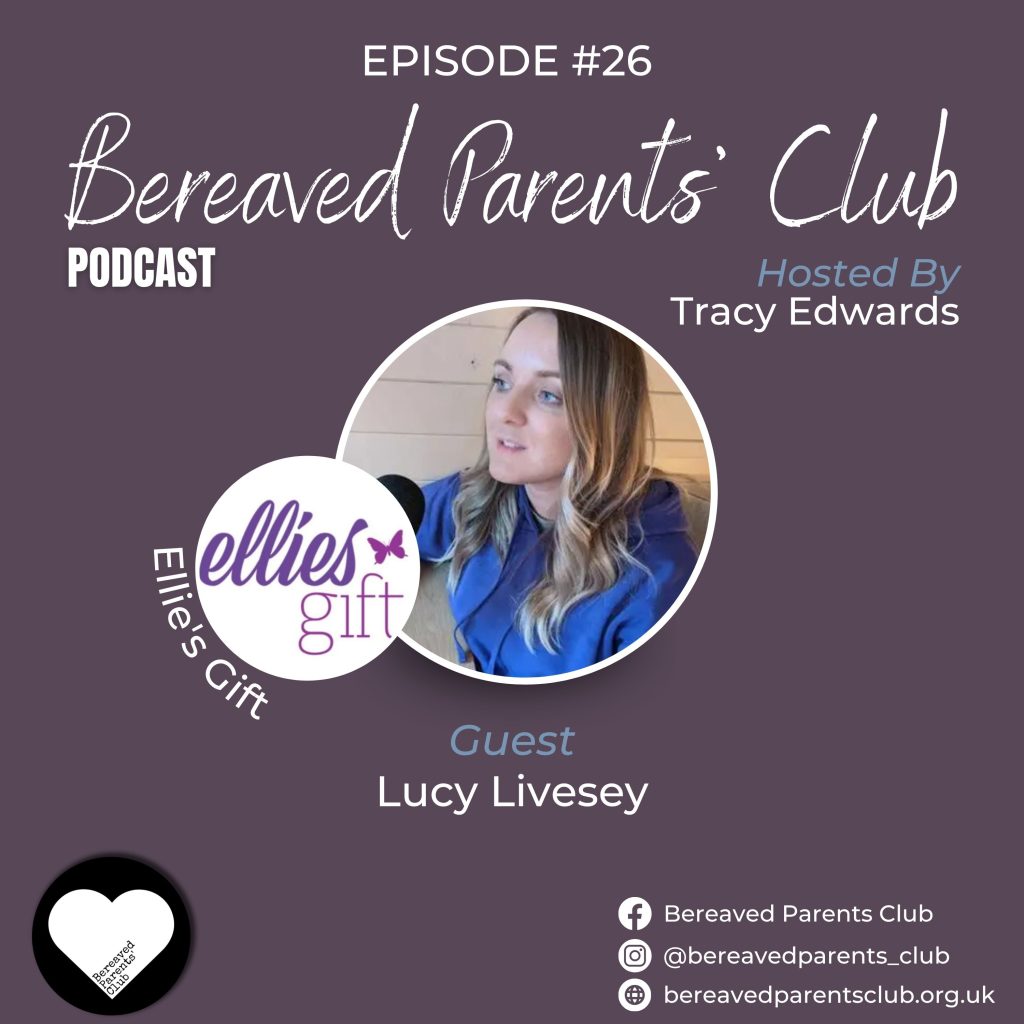
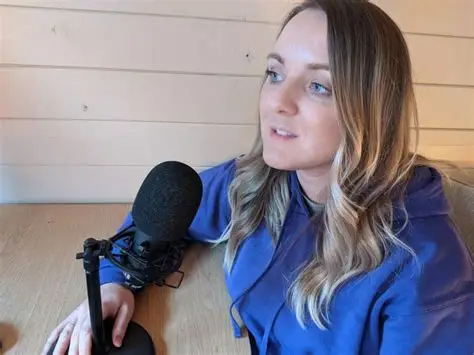
Episode Guest -Lucy Livesey
Lucy Livesey is a UK-based mental health nurse, occupational therapist in training, author and mindfulness teacher, and the founder of Ellie’s Gift CIC, a not-for-profit organisation supporting families affected by baby loss. Lucy’s work is shaped by her experience as a mental health professional alongside her own lived experience of baby loss by TFMR (Termination For Medical Reasons).
Following the death of her baby daughter, Ellie, in 2017, Lucy became passionate about improving the support available to bereaved parents and ensuring families feel less alone during one of the most difficult experiences they may face. Lucy developed Ellie’s Gift CIC which provides free digital resources, specialist information, wellbeing support and an app supporting families before, during and after baby loss. Lucy is particularly passionate about improving support following termination for medical reasons (TFMR) and ensuring that parents receive compassionate, informed and accessible support throughout their experience.
Summary:
In this episode we speak with Lucy from Ellie’s Gift about how the service began after the loss of her baby daughter Ellie and how that experience shaped support for families facing baby loss. Lucy talks about Ellie’s birth plan and their hypnobirthing approach, which helped create a calm delivery and a precious chance to say hello and goodbye.
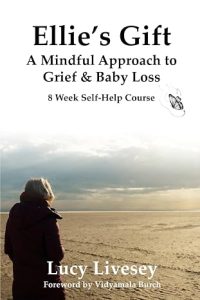
Lucy explains how she later trained as a hypnobirthing teacher and adapted those ideas into Ellie’s Gift, a free app used in the NHS and internationally, with resources such as audio tracks, journaling, yoga and aftercare support. We also cover the organisation’s work for families experiencing TFMR (Termination For Medical Reasons), its mindfulness and grief course, the companion book, and the importance of language, collaboration and support during pregnancy after loss.
Resources:
Follow us on:
Episode 26 Transcript:
Ellie’s Gift
[0:10] Hello, this is a Bereaved Parents Club podcast. It’s a club none of us want to be a member of, but here we are.
[0:18] My name is Tracy and I am a Bereaved Parent. This podcast is for all of us to share and celebrate the stories of our children and offer support to each other. Each episode we explore topics that have relevance to us as we navigate the world as bereaved parents. Whether your loss was last week, last month, last year or even last century you are welcome here. And whether your child was a baby, a youngster, a teenager, an adult or even a parent themselves you are welcome here. Please be aware that this episode will deal with themes of death and loss. Today, we are so delighted to have the opportunity to talk with Lucy from Ellie’s Gift.
[1:13] Hi, hello everyone.
[1:15] So welcome Lucy, and thanks so much for joining us today.
[1:19] Absolutely, my pleasure.
[1:21] And I just wondered if you would like to share your story, Lucy, on how Ellie’s Gift began.
[1:26] Yeah, so I’ll start from the very beginning. So I’m Lucy, as Tracy mentioned. So I’m from Manchester originally.
[1:37] And what happened is with my story is it was in, 2017 myself and my husband we had bought a house I was working as a mental health nurse at the time we’d bought a house we got a little dog and then we felt like it was our kind of time to start a family so it was very naive going into that experience you know not kind of had children before had this kind of a whole idea of what this would be like lots of hopes and dreams for the future and you know this imagined future together and then what happened with us sadly is when we got to our 20-week scam we were told that Ellie’s heart hadn’t formed properly and the consultants basically just said, From what we can see, her condition means that she is not compatible with life. So from where we are now, it’s basically you can either go down the route of termination for medical reasons at this stage in pregnancy, or you can continue on to full term. But either way, she’s not going to survive. So what do you want to do?
[2:48] And obviously me and my husband, it was a huge shock to us. We’d not experienced anything like this. We didn’t know anyone who had experienced anything like this so for us it was just kind of like a whole whirlwind of different emotions and thoughts, um so what happened after much deliberation probably over the course of three weeks or so backwards and forwards through appointments just to kind of understand the severity of the condition and all the different options we we had, we decided that we felt like it was going to be the kindest thing to go for the termination early and we decided to have a termination with Ellie and she was born at just under 24 weeks on the 12th of May.
[3:30] One thing we were really fortunate to have done prior to finding out about Ellie’s heart condition was a birth relaxation course which was all kind of founded in what we call hypnobirthing so it kind of, works to support families to kind of create a positive mindset around birth to support them with things like breathing techniques for contractions and, visualizations to try and help reduce anxiety and that all those kind of helpful strategies, so what we decided to do even while we knew ellie wasn’t going to be alive when we delivered her we still wanted to make her birth into something really beautiful because as far as we was concerned that was still her birth you know yes so we, chose to apply all the hypnobirthing principles that we’d learned um, and the birth that we had with ellie is something that we can look back on with such precious and fond memories because we really brought her into the world in a way that felt right for us you know i don’t look at that and think it was wrapped in trauma of course it was traumatic receiving the news and going through the termination for medical reasons the procedures and things but the birth itself, was something that we um we were really proud to have kind of um gone through and, it was a really lovely way to say hello and goodbye at the same time to ellie.
[4:49] Um so so yeah that that was kind of what happened to us now what i can do is i can take a pause tracy because i or i can jump into the chapters following that in terms of how we find ourselves here today yeah.
[5:03] I was just going to ask if the hospital so very supportive of that process as well because that would be so important to you at that stage wouldn’t it
[5:12] Yeah they were incredible the hospital they really kind of respected our views and wishes we went in with um like a baby loss birth plan which was a written document of all the things that were important to us on the day and all the kind of the things that were important to create that environment that we wanted for example we didn’t want any students in the room and we wanted people to speak in hushed voices and we wanted the lights down low if possible you know there was all these sort of little things that we’d we’d planned to to bring in just to try and reduce some of the, I guess the medicalness of what we were what we were going through as well because we were in a medical environment, um but they were they were they were brilliant the hospital yeah really really good really good but I mean at that time it’s going back nearly what sort of nine ten years now but it’s a long while ago but at that time while they were very supportive birth itself was kind of quite medicalised in the case of you know this is the procedure you come in, we induce you blah blah blah, it kind of went down that route there wasn’t any kind of.
[6:20] The mindset at that time wasn’t or certainly didn’t come through strong at the time but it wasn’t one around kind of, let’s just still see this as a birth and how can we offer you lots of choices and options around that and you know it was it wasn’t like that at the time, given the time now that we’re in things are much better good because things have changed and certainly with the work that I’ve been doing that’s definitely helped to support that kind of moving forward as well oh yeah and.
[6:51] Would you like to talk
[6:51] About what work you’ve been doing as well Lucy yeah absolutely so after Ellie was born I felt really, really passionate about trying to do something in her memory.
[7:03] And at that point, it was a case of, I felt so empowered by the birth that we just had with her that I thought, well, I want to try and teach hypnobirthing now to other people. So I did and I went on to train to be a hypnobirthing teacher and I did it for quite some time. Yeah. Yeah.
[7:21] With families whose babies were alive at first and I found tremendous comfort in being able to do that and you know just to know that I was able to help other families through the delivery of their own baby right but then, as I was sort of quite deep into the the teaching and recognizing like, the sort of the impact it was having I was reflecting a lot on the families who like myself and Rick were in the situation where they had to prepare for the birth of a baby that died, and I thought to myself I wonder whether perhaps within all of this that I teach there’s there is some of it which could still be applied and adapted to support families going through that experience, so I set about kind of creating a lot of different resources and things and with my background in mental health nursing and having the lived experience and having the hypnobirthing teacher training I just kind of started to create and it all came together, and some wonderful man built me a little kind of prototype app for free many years ago just to put it on and I took it to the NHS and they loved this idea and I don’t know how I mean.
[8:34] Well I do know how it came about after I delivered Ellie I had this very strong thought in my head and it was almost immediately and I thought whatever I thought whatever I’m going to do, it’s going to be Ellie’s gift to the world which is why the app is called Ellie’s GIF that’s why I named it that yeah, so the app kind of was you know welcomed with open arms from healthcare professionals and then over that time we had it develop further we’ve had more work done on it and now it’s gosh across.
[9:06] I think it’s nearly 40 NHS sites it’s in it’s in above over 40 different countries now, And it’s a completely free resource to support families through the delivery of their baby. And we receive such amazing feedback from families that use the resource to say, you know, you, really changed the way that I went into that birth with our baby, which now means that you’ve helped to create such special memories and give me confidence and reduce my anxiety. And I just, to be able to do that for families has been incredible. So we kind of run all this alongside working as a nurse and having family and there’s lots of stuff. It’s all voluntary. So it’s not been easy.
[9:52] No, but it’s an incredible gift. It’s incredible that it’s used by so many and like you say in different countries as well. So is it promoted through the NHS in the UK?
[10:02] Yeah, so I was fortunate to actually be able to get some funding to employ my first ever member of the team, which is Stacey. So Stacey is our hospital liaison and she goes up and down the country training NHS professionals on the app on how to use it.
[10:18] And it’s widely promoted now and we’re always getting messages off new trusts to say, you know, can we have your leaflets, can we share it with our families, etc. So yeah. It’s always kind of it’s a struggle because we don’t have a marketing budget and stacy’s role is stacy’s role will eventually the funding will eventually stop for that which is always going to be a headache for me to think oh my gosh what we’re going to do next but, you know just focus trying to focus on every day and what we’re doing and, just pushing forward little little by little but i guess word of mouth is important and awareness which is why you know podcasts such as yourselves is incredible to get here have this space to share because hopefully somebody listening, might know someone who’s gone through it but equally the app also provides aftercare support resources as well so, families go on to use our things on the app such as um there’s journaling tools there’s audio tracks they can listen to and on the new version we do also offer self-paced baby loss yoga classes and things people can access stuff yeah and then now and again, well usually twice a year we run a full eight-week mindfulness and grief course which is um, It’s a course that I trained in again some years ago and I adapted it to grief and baby loss and I wrote a book to go alongside it. And the book is something that can be used with the app. So you listen to the audio resources on the app while you read the book.
[11:47] So families will come on our live courses whilst reading the book, but then equally you can work through the book independently on your own if you can’t get to a course. Yeah and all of our supports always offered online just so that we can reach as many people as we can so yeah we do offer quite a lot of within the service that we run on literally no money like hardly any.
[12:12] That’s always a problem isn’t it unfortunately
[12:15] Yeah it’s very sad yeah so.
[12:17] Does the app essentially help sort of parents through every stage and every
[12:23] step and also afterwards Is that what you’ve developed?
[12:26] Yeah, so we’re just launching the new version of the app across, well, hopefully, fingers crossed, it’ll be across Baby Loss Awareness Week. So what the new version will have is we actually have created a specific section on the new app for families who’ve gone through TFMR because what we recognised is that, tfmr termination for medical reasons that is it can be quite a taboo within a bigger taboo, it’s something that a lot of parents reported feeling quite isolated in terms of within the baby loss world because the circumstances that led to their baby’s passing had been very different than say somebody whose baby’s heartbeat had just stopped on its own, and so we’ve developed a specific area for tfmr families and then there’s another area for, basically other areas just kind of a generic area for all types of loss it doesn’t speak to any kind of loss specifically but it just kind of supports them predominantly it’s designed to support people through the birth of a baby that’s died regardless of circumstance, and then thereafter however we do also find that families who’ve experienced miscarriage still do access for example our audio tracks they might use something for like when they feel quite anxious or they might use a.
[13:39] An audio track to listen to if they’re struggling with sleep so we do have people coming through who have lost, you know for various different reasons and they’ll again I guess it’s more of a cherry picking of the resources that we’ve got to see what speaks to them um, so yeah I mean I’m always creating new things because I just like to create it’s just something that I, you know I get great enjoyment out of helping and supporting and it’s something that I enjoy to do so yeah it’s been a definitely a passion project yeah but it’s helped.
[14:12] So many as
[14:13] Well and that’s incredible really incredible, yeah it has yeah we’re very proud of that yeah yeah we we are enormously proud of it I mean sometimes I do remind myself to stop and take stock of what we’ve actually done because you know in a world, it’s always easy to think oh let’s do more let’s create more but equally you know it’s it’s important to kind of see how far we’ve come in it’s quite a long time but it’s quite a short time relative to time in general so, yeah it’s been an incredible journey and um, it’s it’s been difficult but um you know we’ve got a lot of kind of generous kind people out there who’ve supported us over the years with various different aspects of what we do so yeah i always feel grateful for that yeah.
[15:01] And do you have quite good links then with the other baby loss charities yeah like the you know the major ones the uk
[15:08] Yeah yeah yeah um absolutely so we, we link in with various charities such as Tommy’s and ARC and SANS and Teddy’s Wish and Aching Arms and you know we’ve over the years developed good relationships with other organizations and, try to collaborate on different projects where we can because ultimately everybody’s working towards the same or similar goal and it’s like you know in the, what I’ve noticed is it’s like ellie’s gift is a our community i guess our community of followers is quite small really in comparison to other charities but i think that’s because what we offer here at ellie’s gift is quite uh, niche and gentle and i guess you’ve got to kind of be into that kind of approach so we look a lot like holistic stuff like relaxation or yoga or things you can listen to and whereas in other charities speak more to like peer-to-peer support and saying things as it is and you know they might use other organizations sometimes might use stronger language than we do and we’re quite a gentle organization and i think that’s what’s really great about seeing what else is on offer is that there seems to be so much now definitely more than what they used to be when ellie died, um but there’s so much i think for families to kind of pick and connect with what they connect to but obviously of course more can be done in the space as always, but yeah it’s been nice to connect with lots of charities and go to different events and meet lots of people.
[16:37] Good. Like you say, language is so important, isn’t it? It is. Especially around loss. You know, around any loss. It’s so important, isn’t it? The language that people use. And with TFMR, about it being a taboo within a taboo. Have you seen that it’s changed? Is it getting better from when it first happened to you?
[16:58] Um that’s a good question i think there’s certainly a lot more recognition and it’s certainly like i’ve seen over the years a lot more for example charity organizations sort of developing stuff or like creating spaces for families, sometimes it does still feel like tfmr can be a little bit of an afterthought sometimes um i definitely do think it has got better from From a societal point of view, that’s always really tricky because, for example.
[17:29] Very early on in our lost journey, I made the mistake of sharing our story with a newspaper and, who were not a very great newspaper from a reputation point of view and sensationalizing things but in my mind I guess I was naive in the sense that I just wanted to share about the work that we were doing with Elliot’s Gift and how we were trying to help and what was important for us as a family was to try and get that national reach, but what happened as a result of that was there was an enormous amount of backlash from the public people were, writing in calling me a murderer and lots of hateful comments around the decisions that me and my husband made at the time with Ellie which was I mean I’m okay now speaking about it but I was absolutely torn to shreds at the time because, I couldn’t believe that was the response from the public when all we were trying to do is help other people going through something similar, and you know when when people say with TFMR you’ve got a choice yes we did have a choice in terms of when she would die but not certainly if she would die yeah, um you know it was and when people say you had a choice that word can be quite loaded as well because it’s yes you were asked to make a decision about lots of different things but we would never have chosen this and it’s.
[18:51] It’s really really hard to explain really but i think speaking some other families who’ve gone through tfmr you know it can be a lot there can be a lot of guilt around it there can be a lot of mixed feelings emotions that come up um.
[19:07] And I think it’s really hard. I think in my experience, people are either really supportive of it or they’re the opposite end. So it’s hard. But I’ve never been shy about talking about our experience because, we 100% believe that what happened with Ellie and the choices that we made at the time, we know that hand in our heart that we made that choice in love for her. Yes we were told that at her gestation if if we sort of ended the pregnancy earlier you know she because of where she was in in that time of pregnancy it’s very unlikely that she would have felt any pain and it’s very unlikely there was a lot of information given to us and i can’t say whether that’s kind of correct at this point in time but going back almost years ago, what we were told and what we did as well me and my husband is we wrote a letter to our future self and we, basically wrote down absolutely everything we were told and the decisions that we made and our rationale for doing that because we didn’t want to kind of meet our future self and look back at the situation and think why did we do what we did because obviously over time your memories start to get phasey and hazy and.
[20:13] So we did that and hand on my heart I’ve never opened that letter to this day because, I don’t need to I don’t need to do that because I know that that’s what had to happen when ellie passed away um and it is really hard now we we went on to have other children after ellie passed most recently went on to have another girl as well, and that is really hard to navigate um because i went on to have two boys initially and then, so they wouldn’t they weren’t any comparisons for me yes but now having a girl.
[20:47] It’s very strong at the moment so that’s new territory that I’m navigating personally, and you know I think it’s always going to be tricky but Ellie’s a very big part of our world in our family you know we talk about her often, which is as far as the children are concerned she’s around in so many different ways um you know we’ve we’ve never shied away from her existence she’s always
[21:11] been here from the start so yeah.
[21:13] Yeah that’s that’s beautiful and you’ve turned your grief into a purpose to help others as well haven’t you which is like you say it’s
[21:20] Incredible gift as well 100% yeah I mean I think you know everyone from what I speak to everybody finds different ways to kind of what to do with their grief and, you know sometimes just sitting in the quietness of it is enough and that’s okay too you know it’s like sometimes I think people can feel guilty for not doing something bigger or grander but it’s not about that it’s just about doing what feels connective for us I think and with Ellie’s gift it was something that I think, for me I had to do to help me move through that time and somehow make sense and purpose out of it all and you know many years on my grief’s changed I’ve moved with my grief and, I wasn’t a stranger to grief anyway when I was 15 my twin brother collapsed and died when I was very young and, I’d already had a very early significant loss so I think it’s been a real journey and it just continues to be, so this work is therapeutic for me and as well as helping other people you know I find it extremely cathartic to be able to, sort of turn this into something expressive that people can equally find comforting yeah yeah yeah.
[22:30] And like you say it means losing a sibling as well yeah that’s a huge loss and at any age it’s a huge loss it is difficult to navigate but often that’s not looked at either can be so overlooked when the focus is on the parents but you get
[22:45] Overlooked yeah and.
[22:46] Then you know you get caught up in all that grief as well.
[22:49] Yeah, huge. Yeah, yeah. Yeah.
[22:53] No, thank you for sharing that. And you trained as a mental health nurse. Did that help you through your loss of Ellie as well?
[23:00] I would say, I mean, so I, when Ellie died, I’d been… I don’t know how long I’ve been in it. I think I’ve, I can’t remember the maths exactly. I think I’ve been a nurse for about 13 years now, which I think so. I kind of got past 10 and I was like, stop counting. And so I wasn’t that far into my nursing career when she passed away. So a few years or so. I definitely think the training that I had really, really supported myself. My husband’s a physio as well, and he’d been long into his career. So I think together, we were quite pragmatic in our approach with Ellie’s birth and the grieving process after was more around I knew absolutely that I just had to keep my basics up so I actually did my own care plan for myself as if I was a patient.
[23:45] And I just sort of like made a list of like all these essential things that I needed to do you know it was like I had to make sure every day I was hydrating I was showering I was going out walking the dog I was making sure I was on my three meals a day, I was just making sure I was hitting these sort of like baseline things just because I knew that if these things dropped off it would be a lot more, difficult to function as well, um so yeah I would definitely say it’s helped me enormously and then also I’m not afraid to go for therapy as well so I frequently access therapy if I need it if something triggers me I’ll book an appointment you know I just I’m a really big advocate for holding space for our own, feelings and I think that’s important and you know I’ll never sort of say oh you know I’ve because I hate the word healing associated to baby loss it just for me it’s just it feels too sticky or kind of recovery or you know I just I find this is just more of a.
[24:45] It’s your journey
[24:46] Isn’t it it is it is it’s like a river you’re just kind of you’re just flowing down it um.
[24:53] You know and it’s kind of like I think as I get I mean I’m going to be 38 next which I know is only still still young but I would say since sort of I guess losing my brother from 15 then going on to lose Ellie, I think I’ve learned a lot over that time about myself and just about the grieving process. And I really have learned, and this is down larger to the practice of mindfulness, which is all about being with and just learning how to be with grief rather than sort of trying to push it down or push it away. Because I did that for a very long time. I would pretend I was all right, push it down, push it away. And that was when my brother passed away. And when Ellie passed, I haven’t got the strength to just pretend that I’m okay because I’m not yeah, and then when I sort of started to, look into the practice of mindfulness and this practice of being kind and compassionate with my experience and learning how to be with it and hold hands with it and, I really learned that grief was going to be with me forever yes um and there’ll be days where I feel that I can walk easy breathe easy and equally there’ll be days where I think you know what today I just have to go back to the basics and this is my day-to-day to do that, um and it took me a long time to kind of figure that out but i think when i stopped grappling with it and fighting with it it made grief feel a little bit lighter.
[26:16] And just some of the things that you’ve said i mean whatever feels right or okay for you enough isn’t it as well you know like you’ve mentioned about you know people may feel pressured that they have to do things because the other people are out there doing all these things because it’s so personal to you so it’s your loss and it’s your grief and it’s your love isn’t it so so however you feel you can cope with that it’s good enough and it’s fine yeah
[26:44] That’s it and that that is exactly hit the nail on the head I think just kind of doing grief in your own way whatever that looks like is is enough and, yeah i meet so many people who are doing beautiful wonderful things wonderful projects but equally i meet people who literally are just they’re getting up they’re showering they’re going to work and they’re they’re dealing with the world and and that’s enough as well it
[27:09] doesn’t yeah it’s not a competition no.
[27:12] Not at all and you mentioned about your mindfulness book that you wrote as well is that a mindfulness book or is that a mindfulness and
[27:20] Grief book yeah so yeah um i’m just trying to see i’ve got the copy of it here i don’t i don’t think oh no i have yeah so i know that everyone can’t see it but you can see it, so it’s this one so it’s ellie’s gift yeah a mindful approach to grief and baby loss so it’s an eight-week self-help course and what it is is, so the course that i teach is actually an adaptation from a course which was written by a lady called vijamala birch and vijamala she went through her own difficulty in early life with mainly with pain, and she developed and she started to get into a lot of different practices to support her experience of learning how to be with pain in a different way, and she developed this sort of eight-week course which was designed to either support people in pain or support people with stress and it was about, learning sort of to recognize I guess all the extra stuff that we pile on top of our existing experiences and how to bring in compassion and how to sort of connect with joy again and all these loads of different nuggets of beautiful information, and Vijay Mala written this course and then it got taught worldwide and when I got into the practice of mindfulness I decided after some time because I’d been on one of these courses for stress after Ellie died but I really kind of recognized, the similarities between what they were talking about and how I could apply it to grief and then after some time maybe a couple years I did my teacher training in it to teach others again.
[28:47] Because I thought, yeah, I could use this in my mental health nursing. It feels like a right thing, right next step to do. And then in the same way, just sort of teaching the course and kind of thinking, you know what, I think I could probably adapt this. And I wrote to Vigimali and her team and I said, you know, would I be able to adapt this course? And they gave me a small grant to run a pilot. And so I ran a pilot and we got great feedback and then eventually I then started to roll the course out and then everybody kept saying like have you got anything I can read or look at while I’m on this course I’m like I haven’t and then I started to write and then it just became this book so the book’s a collection of, the course sits within it but within all that there’s actually baby loss stories from families who’ve been on the course right so they share their experiences of the practices that i’m teaching throughout, and then we’ve also got like a mental health section in the back and we’ve got my story obviously in the front and there’s there’s different bits and things so the book is designs if somebody was on my course we would give them the book for free, but equally what we do is we donate batches of these books to different hospital sites around the uk, and families just pick up these books and they work through the course independent of me and listen to the tracks off the ellie’s gift app so it just became another kind of self-help resource that families can use um.
[30:09] So yeah that that was where all that came about but vigimali supported the work she thought it was a beautiful offering and, really kind of on board with it all so yeah and mindfulness is a huge passion of mine i did my master’s at bangor university in mindfulness and buddhist practices and just really really keen interest in, sort of the practice but I think just because it’s helped me enormously continues to do that yeah yeah I mean I could talk about mindfulness all day so get me on to that topic.
[30:40] I discovered it in 2020 you know when the world shut down and you know COVID came yes and it was a lot of uncertainty at the time and I was dealing with George’s depression and also I just was going through a Yeah, and it helped me enormously through that time. And then I really leant on it after my son died. Yeah. I am a big believer in it as well.
[31:04] Oh, I love that.
[31:05] Yeah, yeah. I don’t think I would be here where I am today if I hadn’t, you know.
[31:10] Oh, that’s amazing. Yeah.
[31:12] You’ve just seen the simple things like breathing, breathing techniques.
[31:16] It’s just huge, isn’t it? It is huge. It’s huge.
[31:18] Do you know what? It’s amazing what it does to your body.
[31:20] It is. we might even bump into each other on a retreat then Tracy you never know.
[31:30] You don’t do run a retreat
[31:32] Not yet no well so we we we do, it’s not it is a retreat but it’s not a retreat in a traditional sense so every year we do this for baby loss awareness week we run an online retreat for families but it’s just usually um an evening of yoga and uh mindfulness and journaling and there’s like a creative art workshop there and then we have a baby loss ceremony and usually somebody plays live music for us where we take music requests and stuff it’s lovely it’s again a free thing so yes I do want to retreat in that sense I have run day with day retreats before I’ve never run an actual full weekend retreat which I’d love to do sometime but mainly I just go on retreats for me so well we.
[32:15] All need it
[32:15] Sometime don’t we yeah.
[32:17] We need that time to take that time out
[32:18] Don’t we it’s really.
[32:20] Important isn’t it as
[32:21] Well we do we do yeah yeah we do.
[32:24] It’s so good that you’ve shared other stories as well in that book because again everyone’s experience it’s unique to them isn’t it as well but having different experiences in there and hearing from different parents that might resonate with one parent another story might resonate with their experience as well so i think that’s probably really valuable that you put these in the book
[32:44] Yeah yeah yeah we really wanted to speak to other people’s experiences because otherwise it just becomes, my story you know and it’s like while people do connect with my story and journey, we help so many people who equally find it really you know helpful to share what they’ve been through and and how ellie’s gift has helped them and especially just going back to the tfmr specific area we we did some filming with families who’d gone through tfmr, one lady in particular beautiful lady lost one of her twins, um so she’s got a surviving twin and her other twin unfortunately she had to have a termination for medical reasons with her, and coming to share her story with ellie’s gift and being filmed was the was the first time she shared it um that was outside of her friends and family and she, said to me after you know what I found that so therapeutic to be able to do, and it was just such a gift to be able to give her the time and space for her to be able to talk about her little girl and she brought with her, um pictures of her little girl as well and you know she shared them with myself and the team and it was such a lovely day a lovely day of filming I’m always really grateful for the experiences that I get to access through Willie’s gift because we do meet a lot of, we meet a lot of trauma but we also equally though we do meet a lot of.
[34:11] Families who’ve gone on to have other children in the future yeah um which is that’s, obviously doesn’t happen in all cases um but when it does it’s also really kind of you know heartwarming to hear that as well and whilst we know that another, pregnancy doesn’t take away what’s happened,
[34:32] you know it’s just nice to know people’s journeys after they’ve accessed Ellie’s gift as well.
[34:36] Yeah because it needs to be recognized doesn’t it i mean going through this process and going through a tfmr it’s so complex isn’t it yeah and there could be so many other layers later in terms of the experience you know it could bring on ptsd there’s lots of other situations and complexities isn’t there that other parents may face
[34:53] Yeah yeah it’s huge from a mental health point of view and that and that’s something that we are trying to capture at ellie’s gift as well just like they kind of they’re pulling pulling coming never say that word plenimary plenimary I can’t say that word but by basically the work that we do, as an early intervention measure to try and sort of almost reduce some of that potential for trauma in the future, yeah there will still be trauma in the future but for example can we make that birth a little bit easier for them without sort of creating trauma around the birth itself you know can we give people, options to try and create a birth experience which feels like they’ve got a sense of control rather than sort of leaving it to sort of say right well you come in we induce you and there’s no kind of, support around any of that from pain management to kind of managing their emotions or you know staying calm and things because we know from a pain point of view as well like if someone is in a heightened anxious state pain presents differently for a lot of people yeah.
[35:56] So if we can try and sort of keep people calmer during the delivery then again, that you know the chances are we are helping to sort of, promote comfort and to change their kind of experience of what they’re going through then say somebody who was just, in absolute fear and wraps and anxiety you know there’s going to be a difference but to evidence that that’s quite hard because we’re kind of posing the hypothetical it’s like you know potentially by giving people these skills and this sort of knowledge and education prior to the birth this is helping to reduce birth trauma but there’s nothing we can never prove that you know i mean we can never kind of because it’s very individual but we which is you know we’re doing our best to um to sort of, evidence the benefits of the work that we’re doing in different ways.
[36:46] And that’s why it’s so important to have the support as well isn’t it the nhs trust because really you know it’s absolutely paramount that they understand this as well yeah that they have the right tools and practices to help
[36:57] Yeah it’s massive the trusts are always really behind us you know we get invited to speak at big conferences and to showcase the work that we’re doing and the feedback is always incredible like people say you know we advocate Ellie’s gift all the time our families love it they say it’s really been supportive, and just to hear that and to know that the healthcare professionals trust this resource that we’ve created that just speaks volumes we’ve just got to keep going with the work that we’re doing and, and hopefully just uh yeah just kind of hope that it reaches the places that it needs to.
[37:29] Did you have anything else that you wanted to cover?
[37:31] Not specifically. Another kind of arm to what we do offer is our Ellie’s Rainbow Support Service, which is for families going on to experience pregnancy after loss. So just wanted to put that on the radar just for anyone who’s embarking on that journey.
[37:49] Thank you so much, Lucy, for sharing your experience and sharing Ellie’s gift. Yeah. And everything that you’re doing to help other parents and sadly parents to come as well. It’s an incredible gift that you’re giving to people and a resource that hopefully you’ll carry on getting funding for and keep going for a very long time
[38:08] yeah yeah me too i hope so and also we’re going to add this podcast to our podcast section of the app so thank you so much absolutely yeah our pleasure yeah it’s great what you guys are doing and i think you know it’s important just to keep the conversation going.
[38:21] It is it’s important to ensure that there are stories for all situations as well and experiences so there’s a resource out there as well it’s really important
[38:33] Yeah yeah yeah thank you.
[38:36] I just have one last thing to ask you lucy we like to end on a sort of a sillier or a happier or a lighter note is there anything you’re grateful for today
[38:46] Oh what am i grateful for today, I mean, I’m grateful for lots of different things. I think I’m grateful for this time, having a chat with yourself. It’s lovely to hear that you are another mindfulness advocate like me. So, yeah, that’s filled me with a little bit of gratitude today to know that there’s, yeah, because the thing is as well with the practice of mindfulness, sometimes people can kind of just kind of shun it a little bit and say, no, no, no, it’s not for me. It’s not my cup of tea or I’m not that kind of person or they might think it’s a little bit hippy-dippy, but it’s not. And it’s just great to hear that it’s also something that you two have found of great benefit. So, yeah, I guess.
[39:31] Just even tuning in, you know, sort of being outside and just tuning into the birds, the trees rustling, just to help calms your nervous system.
[39:43] It does, yeah. And we’ve just added as well to the app some soundscapes, of those kind of things like birds and waves and rain and things that people can just sit and listen to just to tune in if they don’t have the conditions available to them you know things that help to connect them to that sense of calm and relaxation um, so yeah i think i think that’s great that’s great.
[40:09] Well thank you so much for being here today Lucy
[40:12] thank you.
[40:29] Thank you for listening. We would be grateful if you could share the podcast amongst your community, or if you could give us a like on the podcast platform you’ve listened on, or you can follow us on our socials. We are on Instagram, Facebook, YouTube, Threads, and TikTok. Or for more information, you can visit our website, bereavedparentsclub.org.uk. Thank you.